
Signed in as:
filler@godaddy.com
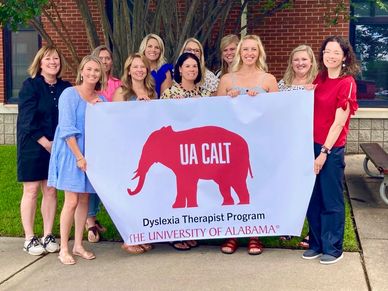
The Academic Language Therapy Association (ALTA) certifies highly qualified professionals to teach students with dyslexia. ALTA members are trained in the Orton-Gillingham principles, hold at least a master's degree, complete two additional years of dyslexia-specific training, complete over 700 supervised teaching hours, and pass a national exam.
Find an ALTA professional by searching: www.altaread.org

IMSLEC Approved Means:
Look for a therapist with an educational degree who has also received additional training and certification in dyslexia. This includes:
The MOST IMPORTANT part of the therapy is a highly trained specialist.
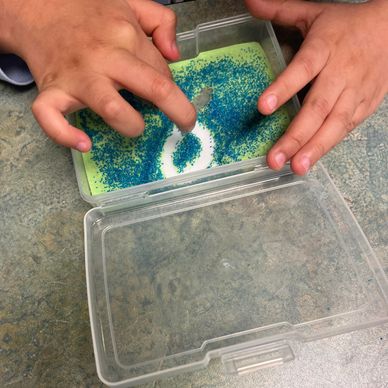
A structured approach based on Orton-Gillingham principles of reading and writing should be delivered by a highly trained therapist. The instruction should be direct, explicit, systematic, and multisensory. This should not be confused with any curriculum that claims it uses the Orton-Gillingham approach.

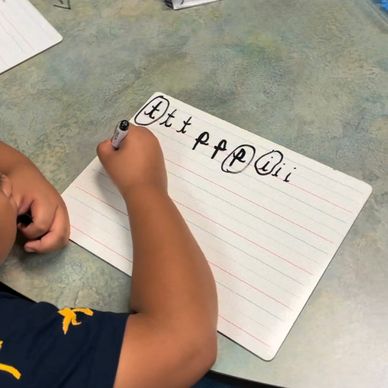
The lesson is diagnostic and prescriptive, based on the student's needs. Critical components include phonemic awareness, phonological awareness, alphabet, handwriting, word decoding, spelling, reading fluency, and comprehension. Additional components include the history of the language, grammar, and morphology.
Lessons should be explicit, systematic, and include multisensory strategies.

There is no quick fix for dyslexia, and no one should claim to be able to "fix" the problem quickly.
Dyslexia occurs on a continuum, and each child responds to dyslexia therapy differently. How often and consistently a child attends therapy can affect how much progress they make over time.
Success rates are highest when a child attends therapy at least 2-3 times per week for 60-minute sessions.

Look for participation in workshops, seminars, and/or conferences related to dyslexia and literacy instruction.
Conferences and training by recognized organizations include:
Ask for references from other educators, parents, or professionals who can speak to the therapist's qualifications and effectiveness.
Look for reviews or testimonials from students and parents regarding their teaching method and impact.

Certified Academic Language Therapists provide explicit, systematic, sequential Multisensory Structured Language instruction that builds a high degree of accuracy, knowledge, and independence for students with written-language disorders, including dyslexia. The therapist utilize Multisensory Structured Language to integrate visual, auditory, and motor processing with explicit understanding of the structure of the English language, enabling students to develop a solid foundation for reading and writing. I have am a Certified Academic Language Therapist (CALT) and have over 20 years of experience in education.